
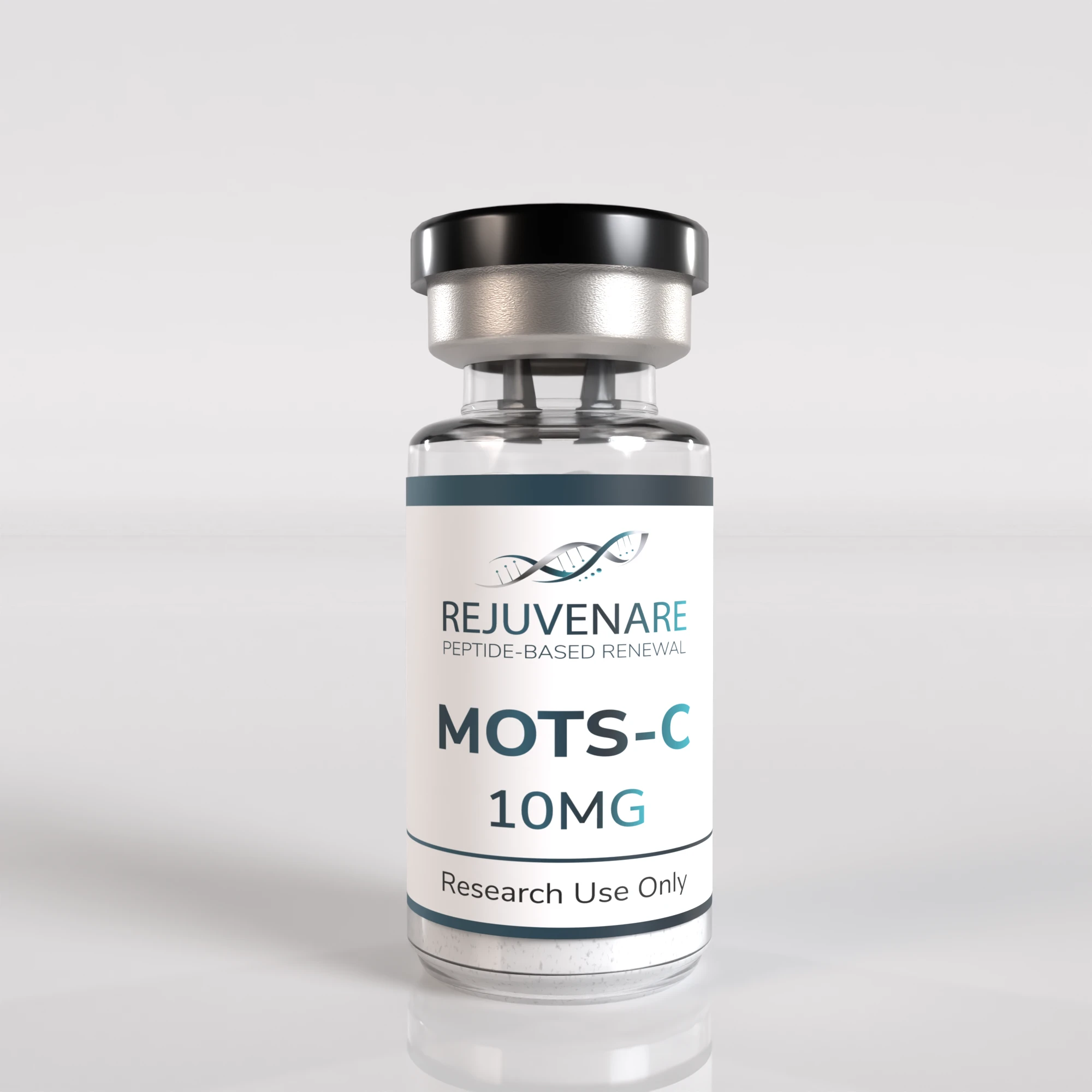

MOTS-C
MOTS-C (Mitochondrial RNA-derived small non-coding transcript) is a mitochondrial-derived peptide discovered through RNA sequencing studies. This research-use-only peptide has emerged as a subject of interest in the field of metabolic and cellular research due to its potential biological functions within mitochondrial processes. It is not intended for therapeutic, cosmetic, or human/animal consumption and is solely provided for academic, scientific, and investigational purposes.
Research Context
MOTS-C is derived from mitochondrial RNA and has garnered attention in recent years due to its association with mitochondrial biogenesis and metabolic regulation. Initial studies identified MOTS-C as a peptide that influences mitochondrial function, energy metabolism, and cellular resilience. Its discovery highlights the complexity of mitochondrial RNA transcripts and their potential role in cellular physiology beyond traditional protein-coding genes.
Research Overview
MOTS-C has been extensively explored in preclinical models, particularly in studies investigating its effects on mitochondrial dynamics, oxidative stress response, and metabolic adaptation. Research findings suggest that MOTS-C may play a regulatory role in pathways associated with aging, mitochondrial efficiency, and responses to metabolic challenges. Due to its emerging significance, MOTS-C has become a focal point for investigations into mitochondrial health, energy homeostasis, and potential applications in basic biological research.
Key Research Focus Areas
- Mitochondrial Biogenesis:
- Metabolic Regulation:
- Oxidative Stress Response:
- Cellular Aging and Longevity:
- Neuroprotective Potential:
MOTS-C has been implicated in the activation of transcription factors such as PPAR-γ coactivator-1α (PGC-1α), which is critical for the upregulation of genes involved in mitochondrial replication and function. This suggests a potential mechanism through which MOTS-C may influence cellular energy production and adaptive responses to stress.
Preclinical investigations indicate that MOTS-C may modulate metabolic pathways, including glucose and lipid metabolism, by enhancing mitochondrial efficiency. Research in animal models has shown improvements in metabolic flexibility and insulin sensitivity, though these findings remain under investigation.
The peptide has been studied for its potential role in mitigating mitochondrial dysfunction associated with oxidative stress. Studies suggest that MOTS-C may enhance cellular resilience by modulating antioxidant defense mechanisms and reducing mitochondrial damage.
Emerging data explore the relationship between MOTS-C and aging processes. Research indicates that MOTS-C may influence pathways linked to mitochondrial degradation and cellular senescence, offering insights into potential interventions for longevity and age-related declines in mitochondrial function.
Preliminary studies have investigated MOTS-C’s potential neuroprotective effects, particularly in models of neurodegenerative diseases. Findings suggest that the peptide may support mitochondrial integrity in neuronal cells, though further research is required to establish definitive roles in neuroprotection.
Important Disclaimer
This product is intended solely for research purposes and is not authorized for human or animal consumption. The information provided is for educational and scientific reference only and does not constitute medical, therapeutic, or diagnostic advice. The safety, efficacy, and appropriate use of MOTS-C in any context remain under active investigation and are not subject to the current regulations governing therapeutic peptides. Users are advised to consult with qualified researchers, academic institutions, or regulatory bodies before engaging in any research involving this compound. Responsibility for handling, storage, and use rests entirely with the researcher.
For research use only. Not for human or animal consumption.
| Size | 10MG, 40MG |
|---|





Reviews
There are no reviews yet.