
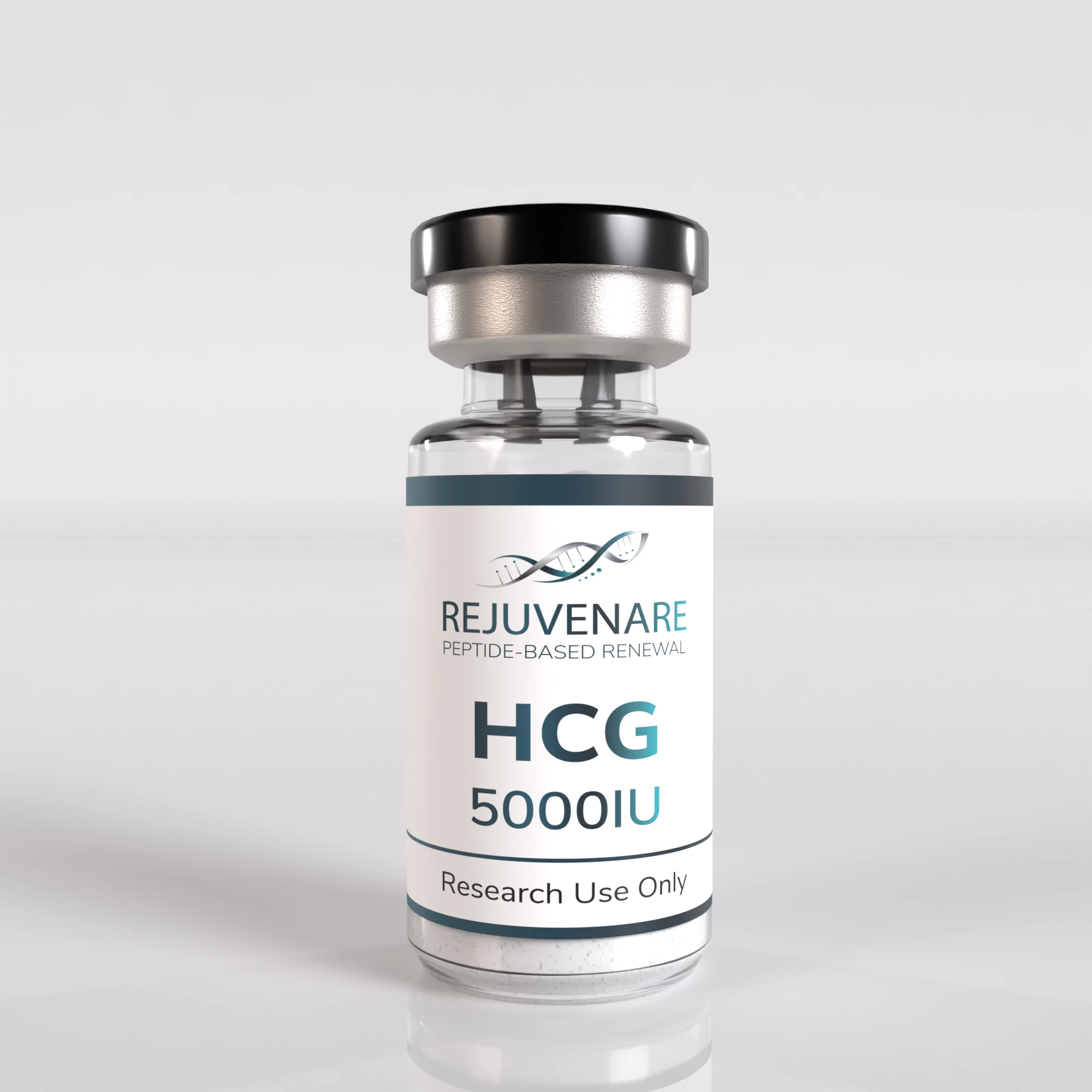

HCG 5000 IU
Human Chorionic Gonadotropin (HCG) is a glycoprotein hormone composed of alpha and beta subunits, structurally similar to luteinizing hormone (LH). It is widely studied in controlled laboratory environments for its role in reproductive hormone signaling and endocrine system regulation. HCG has been a focal point in research involving gonadal function, hormonal pathways, and cellular signaling under strictly regulated experimental conditions.
Research Context
HCG is recognized in scientific literature for its ability to bind to luteinizing hormone receptors (LHR), influencing hormone production in reproductive tissues. Its structural similarity to LH makes it a valuable compound in studies investigating reproductive endocrinology, steroidogenesis, and gonadal signaling pathways.
Research Overview
HCG is naturally produced during pregnancy and has been synthesized for research applications using advanced biochemical techniques. Experimental studies have demonstrated its ability to activate LH receptors, triggering intracellular signaling cascades that influence hormone production and cellular activity. These mechanisms are explored in various in vitro and in vivo models focused on reproductive and endocrine research.
Key Research Focus Areas
- Reproductive Hormone Signaling: HCG is studied for its role in activating LH receptors and influencing gonadal hormone production.
- Endocrine System Function: Research explores its effects on hormonal pathways within the reproductive axis.
- Steroidogenesis: Investigations focus on its involvement in the synthesis of steroid hormones in experimental models.
- Gonadal Function Studies: HCG is examined for its role in reproductive tissue signaling and regulation.
Important Disclaimers
HCG 5000 IU is intended for use exclusively in academic and institutional research environments. This product is not intended for therapeutic, diagnostic, cosmetic, or human/animal consumption. It is critical that all researchers adhere to local regulatory guidelines, including proper handling protocols and documentation requirements. Handling peptide hormones may present risks associated with exposure, storage, and experimental contamination. Always consult with institutional safety officers and follow established laboratory protocols.
For research use only. Not for human or animal consumption.
| Size | 5000 IU, 5000 IU Full Kit (10 Vials) |
|---|

Reviews
There are no reviews yet.