
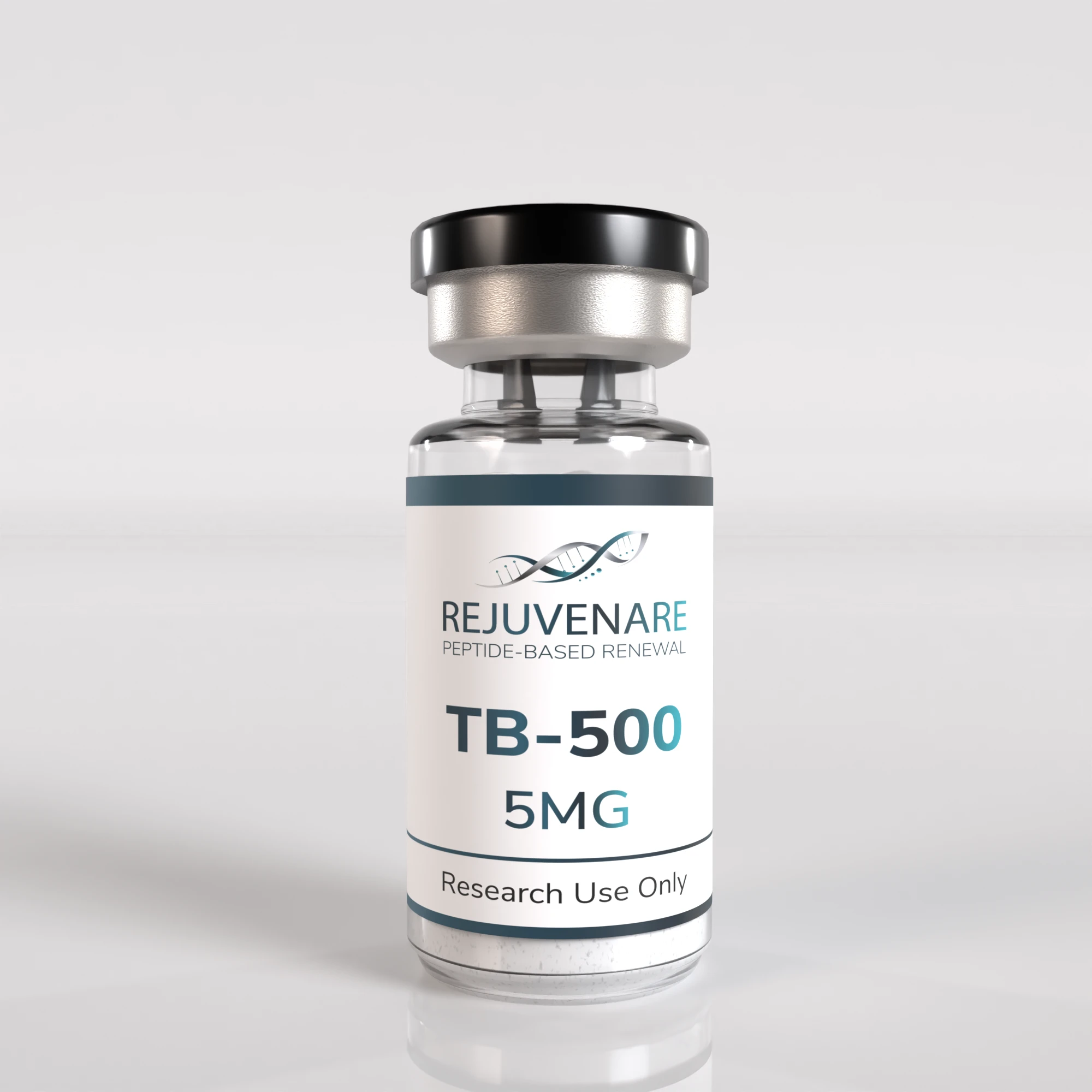

TB-500 5MG
TB-500 is a synthetic peptide derived from thymosin beta-4 (Tβ4), a naturally occurring protein involved in cellular migration and tissue regeneration processes. It is widely studied in controlled laboratory environments for its role in cytoskeletal organization, cell differentiation, and wound-related biological mechanisms. TB-500 has been a subject of interest in research focused on tissue repair and angiogenesis under strictly regulated experimental conditions.
Research Context
TB-500 is recognized in scientific literature for its interaction with actin, a key component of the cellular cytoskeleton. By influencing actin polymerization, TB-500 plays a role in cellular movement and structural organization. This property makes it a valuable compound in studies examining wound healing models, inflammation, and vascular development.
Research Overview
Derived from the active region of thymosin beta-4, TB-500 has been engineered for stability and research applicability. Experimental studies suggest that it facilitates cell migration and supports the formation of new blood vessels (angiogenesis). Its mechanism involves regulation of actin dynamics and activation of signaling pathways associated with tissue remodeling and cellular repair processes.
Key Research Focus Areas
- Cell Migration: TB-500 is studied for its ability to promote cellular movement and cytoskeletal organization in experimental models.
- Tissue Remodeling: Research explores its role in processes associated with tissue repair and structural regeneration.
- Angiogenesis: Investigations focus on its potential involvement in the formation of new blood vessels.
- Inflammation and Cellular Response: TB-500 is examined for its influence on inflammatory signaling and cellular recovery mechanisms.
Important Disclaimers
TB-500 5MG is intended for use exclusively in academic and institutional research environments. This product is not intended for therapeutic, diagnostic, cosmetic, or human/animal consumption. It is critical that all researchers adhere to local regulatory guidelines, including proper handling protocols and documentation requirements. Handling peptides may present risks associated with exposure, storage, and experimental contamination. Always consult with institutional safety officers and follow established laboratory protocols.
For research use only. Not for human or animal consumption.
| Size | 5MG, 5 MG Full Kit (10 Vials) |
|---|


Reviews
There are no reviews yet.